
Learn about our approach
to wind projects.
Who is Steelhead?
Steelhead Americas is the North American development arm of Vestas — the global leader in wind energy. Vestas designs, manufactures, installs, and services onshore and offshore wind turbines in the United States and across the globe, with a factory local to Colorado. With more than 82,000 turbines across 88 countries, Vestas has installed more wind power than anyone else in the world. By leveraging Vestas' industry expertise and turbine technology, Steelhead develops new wind and solar projects across the U.S. and brings the benefits of renewable energy to local communities.
With a seasoned team of subject matter experts, Steelhead specializes in all stages of the development process and works closely with communities on potential wind projects. As an industry leader, Steelhead has developed the first commercial wind energy projects in Mississippi and Arkansas and has successfully developed 19 projects with over 1,000 turbines installed across the U.S.
.jpg)
Community Engagement
Steelhead proudly works alongside local landowners, agencies, and partners throughout the development process. Your voice being heard and community adoption is part of why we do what we do — bringing clean, renewable energy while benefiting local areas financially. To us, it's important to learn the history, vision, and realities of where you live, so that we can seamlessly incorporate renewable energy into what's already working and make it even better.
It's essential that we keep the Allen County community informed of project news throughout our journey. Anything that might impact or relate to your property, business, or day-to-day activities will be shared with you in advance.
Rivercat Wind is designed with lessons from other Allen County developments in mind, with a clear focus on quality and coordination. We are a different developer, using updated turbine technology and a new construction team to bring a more coordinated, accountable approach to development.

Location of Wind Projects
There are several qualities needed for a successful wind project, including adequate wind supply, a sizable electrical grid, and sufficient land area. Locations also need to meet high standards for responsible development when it comes to topics such as transportation, soils, environmental conditions, and more.
Most of all, wind projects require partnerships. Steelhead prioritizes its partnerships with local communities, businesses, and landowners to develop a project that maximizes the benefits for the local area. Rivercat Wind is located in Allen County, Kansas, serving the Southwest Power Pool (SPP) regional electric grid.
Wind Energy and the U.S. Grid
The wind industry has grown rapidly and is now the largest source of renewable energy in the United States. Today, technology allows wind projects to expand to new regions, and Rivercat Wind unlocks new opportunities for Allen County by providing a new, clean, and reliable energy source for Kansas businesses and residents alike.
The energy produced by Rivercat Wind will flow into the regional electric grid the same way water flows through pipes, moving to where it is most needed. This means the energy is used within the region and is not sent to one specific city or location. By increasing the supply of low-cost energy in the Southwest Power Pool (SPP), Rivercat Wind will support lower electricity costs in the region.
By adding new generation close to where energy is needed, Rivercat Wind helps strengthen grid reliability, support growing demand, and reduce pressure on existing energy resources.
Economic Opportunities
Wind turbines are similar to anything you might farm, generating a reliable income and providing additional, yearly revenue. This increases landowners' financial security, especially during lean growing seasons.
Projects like Rivercat Wind often partner with local businesses and suppliers to create a larger community revenue stream. During construction, the project boosts local spending at hotels, restaurants, and other businesses, which puts additional dollars into the local economy.
Wind projects create hundreds of jobs during construction and generate long-term operations jobs that benefit the community for the life of the project. Currently, there are over 125,000 Americans employed in the wind industry.
Environment
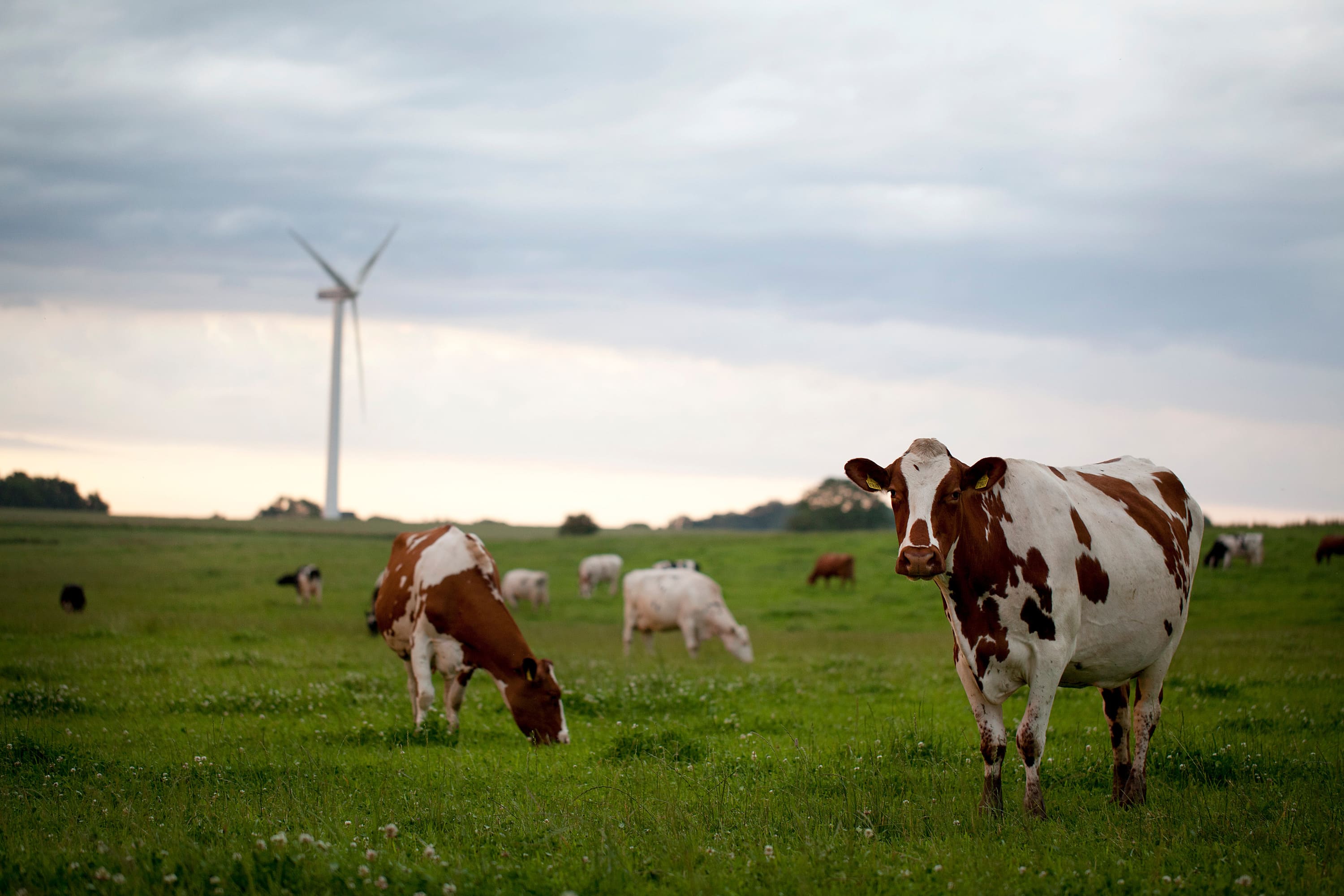
Wind projects require little to no water once operational and do not release harmful air pollutants or CO2 emissions. Because they take up a small footprint, the surrounding land can continue to be used for farming, ranching, and other agricultural activities. In addition, wind projects achieve net energy neutrality within six months of operation — meaning the power it takes to build a wind farm is recouped shortly after turbines begin generating power.
Steelhead is committed to environmentally responsible development and is actively engaged in assessing risk and minimizing impacts to wildlife during the development process. Developing a wind project requires a careful approach and comprehensive analysis of environmental conditions in a community, which includes avian studies, wildlife studies, wetland studies, and cultural studies.
Avian studies
Credible estimates indicate that currently installed capacity affects most species’ populations less than 0.01% of of total human caused impacts. Steelhead ensures all projects meet federal, state, and local environmental regulations.
Wildlife studies
Steelhead completes a suite of studies before a site is operational to determine minimization and mitigation measures for species of concern.
Wetland studies
Local, state, and federal laws encourage or require the avoidance of sensitive wetlands. Through the design process, Steelhead engineers minimize impacts to wetland characteristics. This is done through aerial imagery as well as on-the-ground delineation, so that impacts to water resources are avoided during construction and operations of the facility.
Cultural studies
Each community has sites and locations that may be of historical significance. Steelhead collaborates with agencies and non-profit groups to make sure placement of project infrastructure is adequately setback from resources eligible for governmental recognition. Our goal is to design projects that respects the histories of all communities.
Sights and Sounds
Wind turbines are impressive engineering marvels and operate safely, quietly, and unobtrusively for landowners and communities. Even still, the prospect of hosting a new project in the community may feel like a substantial change. Wind turbines can be a symbol for working communities prioritizing the economic wellbeing of future generations.
Wind turbines emit little sound. In fact, two people can typically carry on a conversation at normal voice levels even while standing directly below a turbine.
Community Health
Wind farms are a safe and effective means of generating electricity. A large-scale national survey found that the vast majority of people living within five miles of at least one wind turbine report positive or neutral experiences toward their local wind facility.
The first wind turbines in the United States were built in the 1980s, meaning people have been living and working around wind farms for decades. Scientific evidence, including dozens of peer-reviewed studies, has shown that properly sited wind turbines do not cause negative health effects. This includes concerns such as audible noise, low frequency noise, infrasound, and shadow flicker.
Property Values
According to multiple peer-reviewed academic studies, wind energy projects have no significant long-term impact on property values and depreciation, with the positive effects of a project balancing or surpassing any negative effects.
Wind energy projects create jobs and generate both economic development and new tax revenues for localities where they are built, benefiting landowners, neighbors, property values, and communities.
Operations and Maintenance
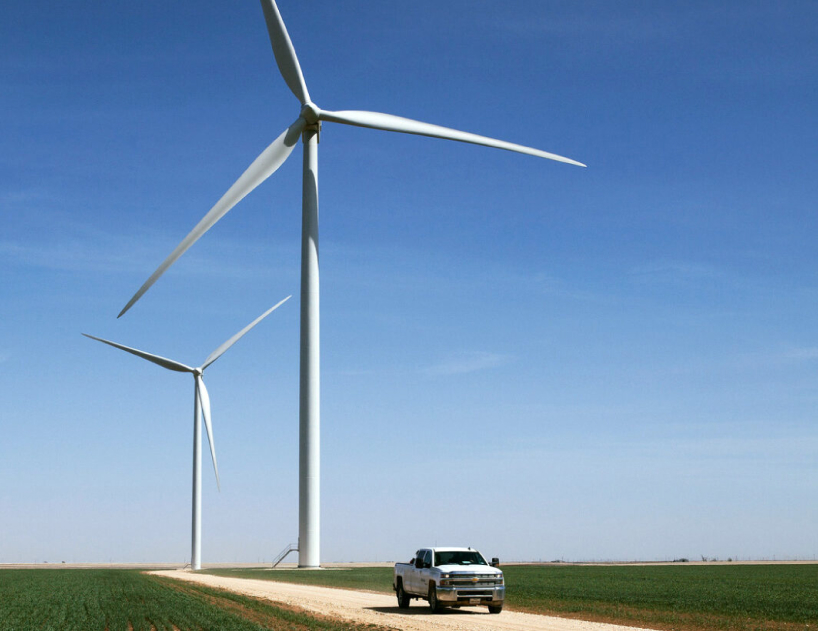
Turbines require preventative maintenance once or twice a year. Vestas is a leading service provider with over 1,680 technicians in North America who are highly experienced in ensuring smooth, safe operations throughout a project lifecycle.
In addition, Vestas' headquarters monitors turbine operations across the country 24/7, allowing the team to identify and address any upcoming maintenance before it impacts operations.
Decomissioning
A wind farm is built to last at least 30 years and is properly monitored and maintained throughout its lifecycle. Wind turbines can also be re-powered with newer, more efficient technologies over time to extend their useful life.
Before construction, Steelhead will create a decommissioning plan to ensure the wind project is decommissioned safely, responsibly, and sustainably without impacting the land. When a project is retired, we dismantle the wind turbines and restore the environment to its former state. Every component of the turbine within four feet of the surface is removed from the site during a routine decommissioning.